Equipment That Handles Daily Food Waste
Commercial Garbage Disposal Services in Grand Rapids for businesses where jams, leaks, or drainage failures disrupt kitchen operations
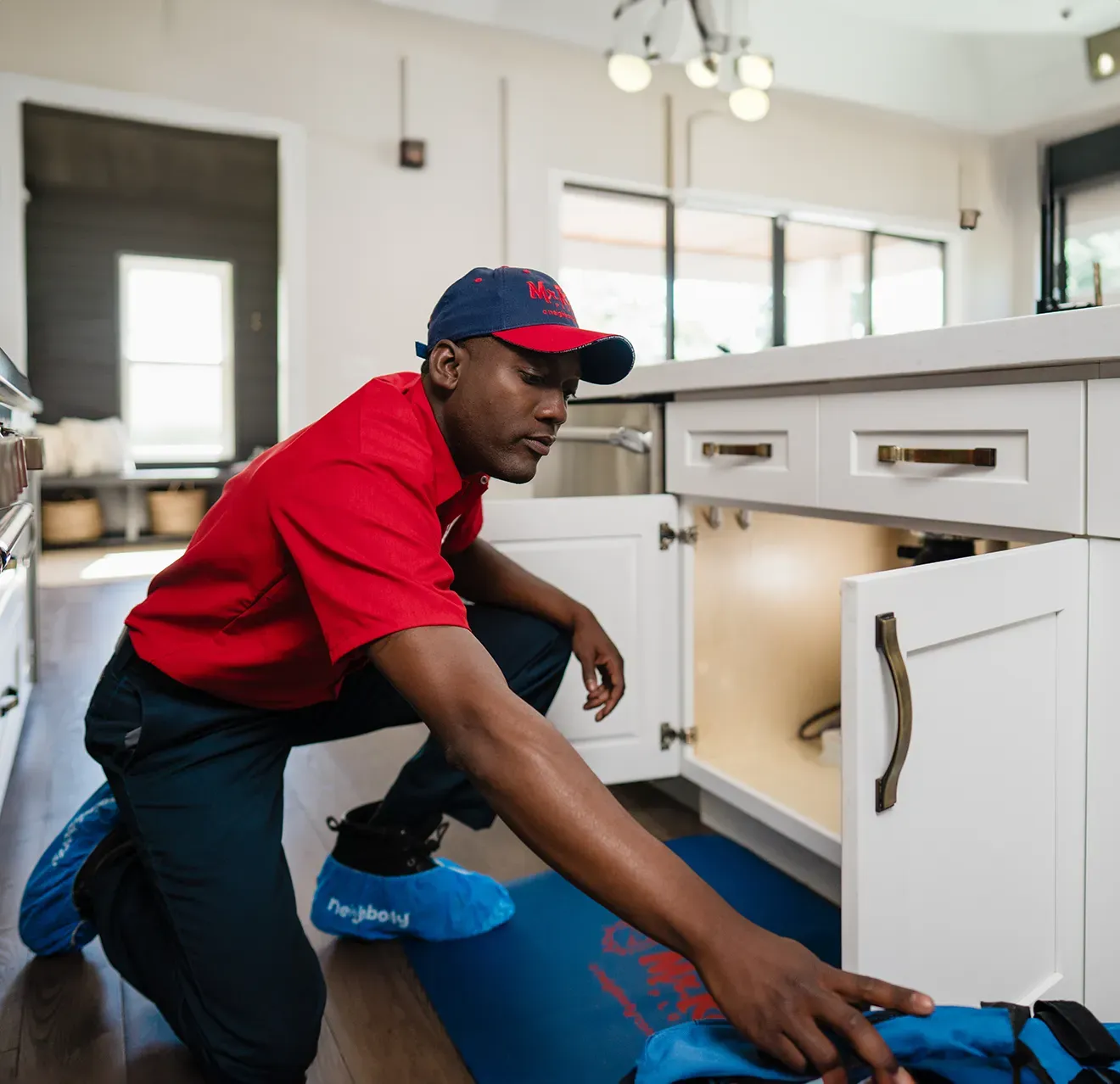
When a commercial garbage disposal jams during lunch prep or leaks beneath the sink during dinner service, the problem stops more than just waste processing—it affects the entire sink basin, prevents normal cleanup, and forces staff to work around a malfunctioning station. Mr. Rooter Plumbing of Grand Rapids provides commercial garbage disposal service for businesses with food-preparation areas experiencing equipment failure, drainage trouble, or performance problems that interfere with daily kitchen workflow. Disposal issues rarely exist in isolation; they typically affect the connected drain system, create standing water in sinks, or signal underlying problems that simple resets cannot fix.
This service addresses jams that stop the grinding mechanism, leaks that develop at mounting flanges or discharge connections, and drainage slowdowns that develop when disposal output overwhelms undersized or clogged drain lines. Proper diagnosis matters because deciding between repair and replacement depends on whether the unit itself has failed or whether drain restrictions cause the visible symptoms.
Request a disposal inspection to identify whether current problems require equipment service or connected drain work.
How Disposal Problems Affect Kitchen Drainage
Diagnosing commercial disposal trouble involves testing the unit under load, inspecting mounting connections for movement or corrosion, and evaluating how wastewater exits through the discharge line into the building's drain network. Many apparent disposal failures actually trace to clogged branch drains, inadequate venting, or grease accumulation in pipes downstream from the unit, and clearing those obstructions restores normal performance without equipment replacement.
Once service completes, sinks drain immediately after disposal use instead of filling with standing water, the grinding mechanism operates without stalling under normal food waste loads, and leaks no longer form puddles in the cabinet beneath the basin. Kitchen staff resume normal cleanup procedures without waiting for slow drainage or manually removing waste that should process through the disposal.
This service includes clearing jams, tightening or replacing failing mounting assemblies, and confirming that discharge lines carry ground waste without restriction. It does not include claims about specific brands, capacities, or installation capabilities unless those services have been confirmed for your particular equipment and configuration.
Common Questions About This Service
Commercial kitchens depend on functioning disposal units to maintain workflow during service hours, and understanding what causes failures helps businesses respond before small problems create operational disruptions.
What causes commercial disposals to jam more frequently than residential units?
Higher daily volume, continuous use during peak hours, and the variety of food waste types processed in commercial kitchens—fibrous vegetables, bones, grease-laden scraps—stress disposal components more heavily than intermittent home use, making regular inspection and proper staff training essential for preventing recurrent jams.
How do drain problems mimic disposal failure?
When the drain line below the disposal clogs with grease or accumulated solids, water backs up into the sink basin even though the disposal itself grinds normally, and staff often assume the unit has failed when clearing the clogged branch line would restore proper drainage without any disposal work.
When should businesses in Grand Rapids replace disposal units versus repairing them?
Units showing motor failure, cracked housings, or corroded mounting flanges that leak persistently typically require replacement, while jams caused by foreign objects, loose mounting hardware, or clogged discharge connections usually respond to repair and drain clearing service.
What signs indicate drainage trouble separate from the disposal itself?
If multiple sinks drain slowly or if floor drains back up when the disposal runs, the problem likely exists in shared drain lines downstream rather than in the disposal unit, and addressing those obstructions becomes the priority before evaluating disposal performance.
How long does commercial disposal service typically take?
Clearing jams and testing operation usually completes within one to two hours, though discovering significant drain obstructions or mounting failures during diagnosis may extend service time as those underlying problems receive proper attention.
Mr. Rooter Plumbing of Grand Rapids addresses disposal and drainage problems for commercial properties throughout the area. Schedule a kitchen plumbing assessment when disposal performance begins affecting your daily operations.