
Drains That Clear Without Hesitation
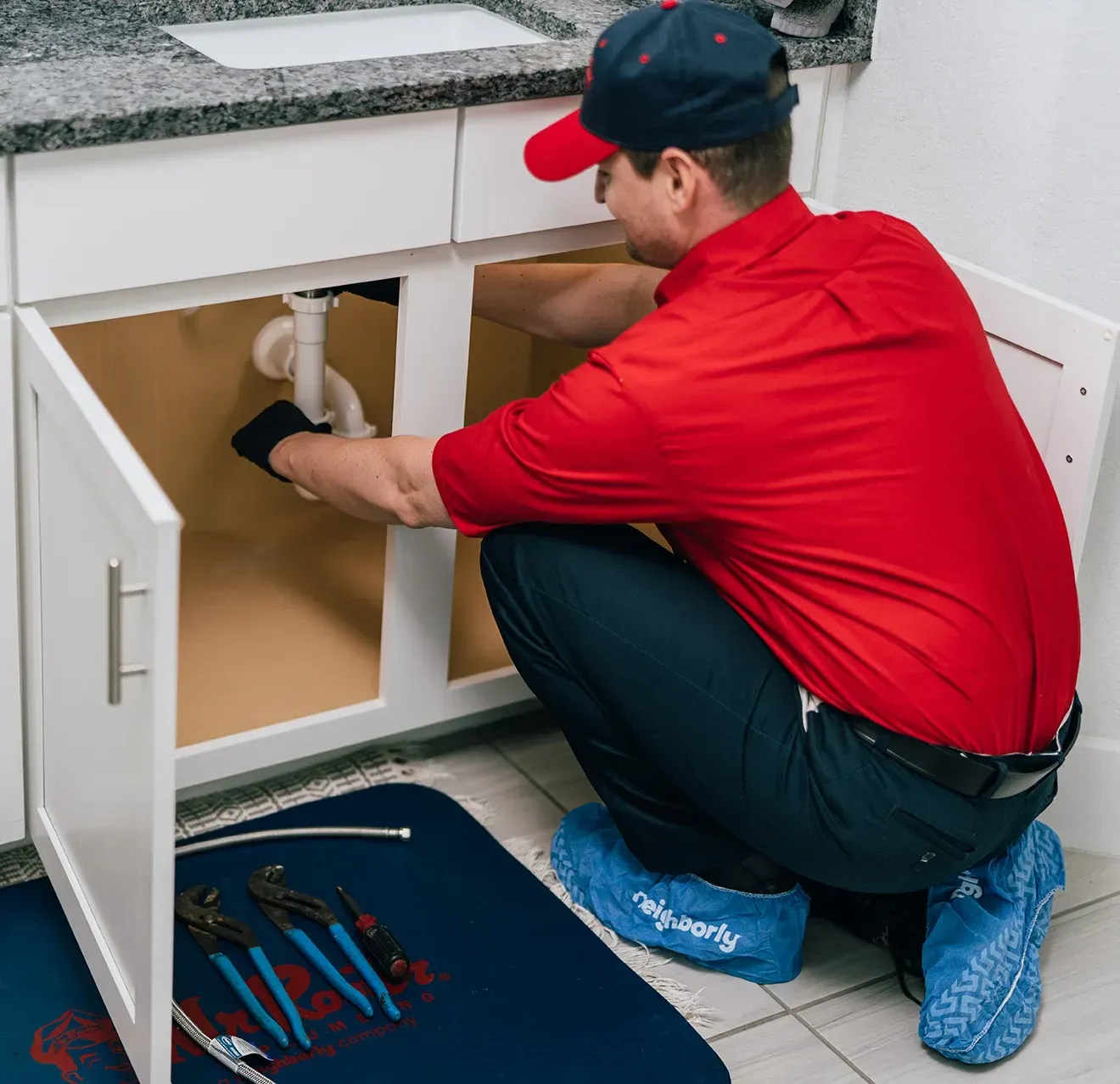
Sewer and Drain Cleaning in Grand Rapids for slow drains, recurring clogs, backups, and drainage disruptions
A kitchen sink that drains sluggishly after meals, a shower that pools water around your feet, or a toilet that backs up when other fixtures discharge all point to obstructions within the drainage system that prevent wastewater from flowing freely toward the sewer connection or septic tank. These blockages develop from accumulated soap residue, grease buildup, hair and organic matter, or objects that enter drain lines and lodge at bends or junction points. Ignoring slow drainage allows the restriction to worsen until water backs up into fixtures, creating unsanitary conditions and potential overflow. Mr. Rooter Plumbing of Grand Rapids provides sewer and drain cleaning throughout the area, addressing blockages in both older cast iron drain systems common to historic neighborhoods and newer PVC installations found in recent residential development.
Drain cleaning involves identifying where the blockage occurs—whether in a single fixture trap, a branch drain line serving multiple fixtures, or the main sewer line exiting the home—and clearing the obstruction to restore normal wastewater flow without damaging piping.
Schedule a sewer and drain service appointment to address slow fixtures or recurring drainage problems.
Why Drainage Problems Happen and How to Stop Them
Service begins with determining whether the issue affects a single fixture, multiple drains on one branch, or the entire household drainage system, which indicates blockage location and severity. Clearing methods vary depending on blockage type, pipe material, and accessibility, with the goal of removing the obstruction completely rather than temporarily punching a small opening that allows partial flow and invites rapid reclogging.
After cleaning, water drains immediately when fixtures discharge, toilets flush without hesitation or backup, and sinks empty at their normal rate without gurgling or slow vortex formation. Basement floor drains no longer overflow during heavy household water use, and the system handles simultaneous fixture operation without pressure changes or backflow into other drains.
Some drainage issues recur because the underlying cause—such as root intrusion into sewer lines, a sagging pipe section that traps debris, or a poorly vented system that creates suction—remains unaddressed. Identifying these conditions during cleaning allows homeowners to decide whether corrective measures beyond obstruction removal make sense for their property and budget.
What Property Owners Usually Ask
Residents throughout Grand Rapids dealing with drainage concerns often have questions about blockage causes, cleaning approaches, and system differences.
What causes drains to slow down gradually over time?
Slow drainage typically results from progressive buildup of soap scum, grease, hair, and mineral deposits that coat pipe interiors and gradually narrow the flow path, reducing capacity until normal wastewater volume can no longer pass through at an acceptable rate.
How do older sewer systems in Grand Rapids neighborhoods affect drainage?
Homes built before the widespread use of plastic drain piping often contain cast iron or clay sewer lines that develop interior roughness as they corrode, creating surfaces where debris catches and accumulates more readily than in smooth-walled PVC, and these materials are also more susceptible to root intrusion at joints.
When should I address a single slow drain versus multiple slow drains?
A single slow fixture usually indicates a blockage in that fixture's trap or dedicated drain line, while multiple slow drains or fixtures that gurgle when others discharge suggest a shared blockage further downstream in a branch line or the main sewer, which requires more extensive clearing to restore full system function.
What does drain cleaning include?
The service covers locating the blockage, clearing the obstruction using appropriate methods for the pipe material and blockage type, and confirming that wastewater flows freely after cleaning, but does not include repairing damaged piping, replacing deteriorated sections, or addressing structural issues unless arranged separately.
Why do some clogs return shortly after clearing?
Recurrent blockages often indicate an underlying condition such as root infiltration, a bellied pipe section that sags and traps debris, inadequate slope in the drain line, or improper venting that creates drainage dynamics that promote re-clogging unless the root cause is corrected.
Mr. Rooter Plumbing of Grand Rapids clears household drains and sewer lines across the region's diverse housing stock, from turn-of-the-century homes with aging cast iron to newer properties with modern plastic drainage systems. Contact our team to evaluate slow drains, fixture backups, or recurring drainage concerns affecting your home's wastewater flow.