Drainage Systems That Handle Daily Volume
Commercial Sewer and Drain Cleaning in Grand Rapids for businesses facing slow drains, recurring clogs, and backup problems
Slow drainage at sinks, toilets that back up during periods of normal use, or floor drains that overflow in restrooms and utility areas signal that the sewer and drain system serving your commercial property can no longer move waste and wastewater efficiently. Drainage problems escalate quickly in commercial settings where restrooms, kitchens, and other facilities handle higher usage than residential systems, and recurring clogs disrupt employees, customers, and tenants until dependable drainage is restored. Mr. Rooter Plumbing of Grand Rapids provides commercial sewer and drain cleaning for businesses across the region when drainage systems require professional attention to identify blockages, clear obstructions, and restore normal flow.
Drain cleaning begins with locating where the obstruction exists—whether that involves a single fixture drain, a shared branch line serving multiple fixtures, or a main sewer line that collects waste from the entire building. The severity and location of the clog determine the approach needed to clear it and whether the problem indicates a deeper issue with piping condition or system capacity.
Schedule a diagnostic visit to identify drainage problems affecting your commercial facility.
How Professional Cleaning Restores Flow
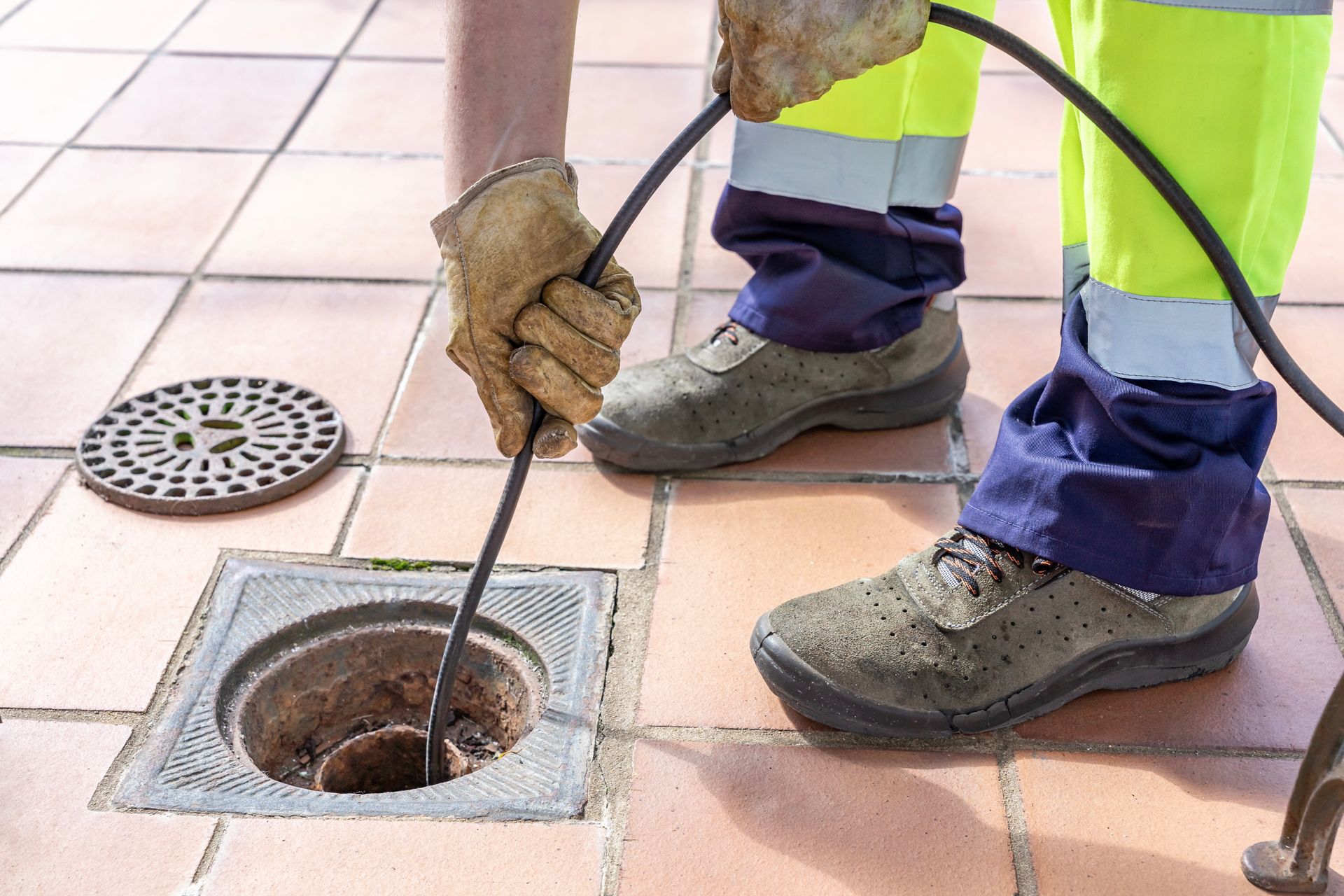
Commercial drain cleaning typically involves mechanical removal of obstructions using equipment designed to reach deep into piping and break apart accumulated debris, grease buildup, or objects that block flow. The process clears the line and allows wastewater to move freely through the system again, though recurring problems in the same location often indicate that the underlying piping has deteriorated or that usage patterns exceed what the existing drainage system was designed to handle.
Once drainage is restored, sinks empty quickly, toilets flush without backing up, and floor drains no longer pool water during normal use. Restrooms return to full operation, the unpleasant odors associated with standing wastewater disappear, and employees and customers no longer encounter out-of-order facilities that interfere with normal activity.
Some drainage problems resolve with a single cleaning, while others require follow-up attention if buildup reoccurs quickly or if the condition of the piping itself contributes to repeated clogs. Commercial properties with high-volume kitchens, older cast-iron drain lines, or inadequate venting often experience more frequent drainage issues than newer buildings with properly sized systems.
Common Questions About Commercial Drain Service
Drainage concerns in commercial properties often involve urgent timing and the need to minimize operational disruption while addressing the problem.
What causes drains to clog repeatedly in the same location?
Persistent clogs often result from grease accumulation in kitchen lines, deteriorating pipe interiors that trap debris, or root intrusion in older sewer lines that narrows the pipe opening over time.
How do you locate the source of a drainage problem in a large building?
Testing individual fixtures, observing where slow drainage or backups occur, and sometimes using camera inspection tools help trace the problem back to the specific section of piping where the obstruction exists.
Why do some commercial properties experience drainage problems during peak usage?
Undersized drain lines, inadequate slope in horizontal piping, or venting problems can cause drainage to slow when multiple fixtures discharge simultaneously, a common situation in Grand Rapids-area offices and retail buildings with shared restroom facilities.
What should property managers look for after drain cleaning is completed?
Fixtures should drain at normal speed without gurgling sounds, toilets should flush completely without water rising in the bowl, and no odors should linger near drains or floor openings.
When does recurring drainage trouble justify replacing piping rather than repeated cleaning?
If the same section of line clogs frequently despite cleaning, or if the piping material has deteriorated to the point where rough interior surfaces continuously trap debris, replacement becomes more cost-effective than ongoing service calls.
Mr. Rooter Plumbing of Grand Rapids clears commercial sewer and drain obstructions that interfere with normal business operations. Reach out for drain cleaning service to restore dependable drainage and eliminate recurring clogs at your property.

How Professional Cleaning Restores Flow
Commercial drain cleaning typically involves mechanical removal of obstructions using equipment designed to reach deep into piping and break apart accumulated debris, grease buildup, or objects that block flow. The process clears the line and allows wastewater to move freely through the system again, though recurring problems in the same location often indicate that the underlying piping has deteriorated or that usage patterns exceed what the existing drainage system was designed to handle.
Once drainage is restored, sinks empty quickly, toilets flush without backing up, and floor drains no longer pool water during normal use. Restrooms return to full operation, the unpleasant odors associated with standing wastewater disappear, and employees and customers no longer encounter out-of-order facilities that interfere with normal activity.
Some drainage problems resolve with a single cleaning, while others require follow-up attention if buildup reoccurs quickly or if the condition of the piping itself contributes to repeated clogs. Commercial properties with high-volume kitchens, older cast-iron drain lines, or inadequate venting often experience more frequent drainage issues than newer buildings with properly sized systems.
Common Questions About Commercial Drain Service
Drainage concerns in commercial properties often involve urgent timing and the need to minimize operational disruption while addressing the problem.
What causes drains to clog repeatedly in the same location?
Persistent clogs often result from grease accumulation in kitchen lines, deteriorating pipe interiors that trap debris, or root intrusion in older sewer lines that narrows the pipe opening over time.
How do you locate the source of a drainage problem in a large building?
Testing individual fixtures, observing where slow drainage or backups occur, and sometimes using camera inspection tools help trace the problem back to the specific section of piping where the obstruction exists.
Why do some commercial properties experience drainage problems during peak usage?
Undersized drain lines, inadequate slope in horizontal piping, or venting problems can cause drainage to slow when multiple fixtures discharge simultaneously, a common situation in Grand Rapids-area offices and retail buildings with shared restroom facilities.
What should property managers look for after drain cleaning is completed?
Fixtures should drain at normal speed without gurgling sounds, toilets should flush completely without water rising in the bowl, and no odors should linger near drains or floor openings.
When does recurring drainage trouble justify replacing piping rather than repeated cleaning?
If the same section of line clogs frequently despite cleaning, or if the piping material has deteriorated to the point where rough interior surfaces continuously trap debris, replacement becomes more cost-effective than ongoing service calls.
Mr. Rooter Plumbing of Grand Rapids clears commercial sewer and drain obstructions that interfere with normal business operations. Reach out for drain cleaning service to restore dependable drainage and eliminate recurring clogs at your property.