Gas Piping Systems for Connected Equipment
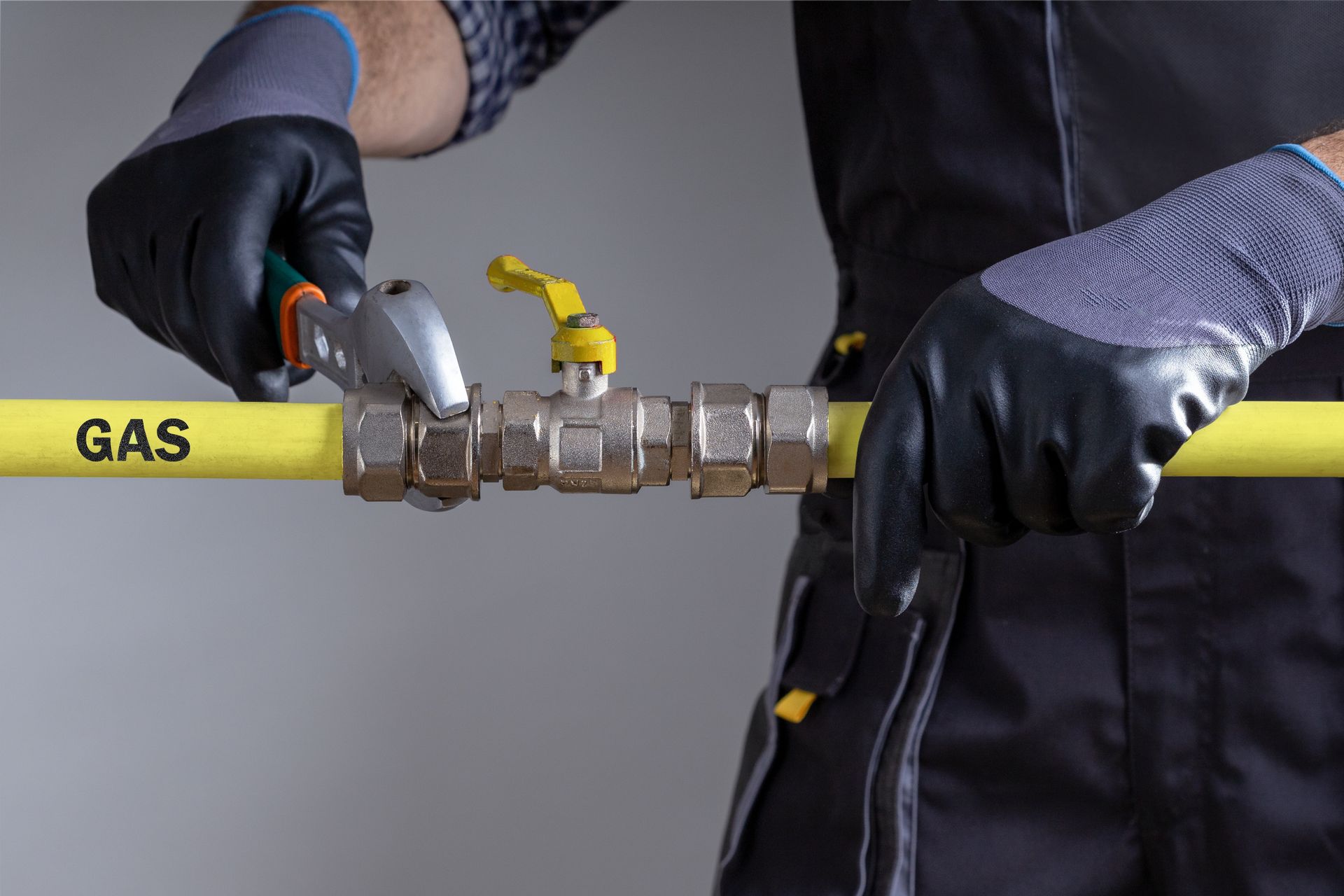
Commercial Gas Line Services in Grand Rapids for properties requiring piping evaluation, repair, or modification
Commercial properties with gas-connected building systems—heating equipment, water heaters, kitchen appliances, or specialized machinery—depend on properly installed and maintained gas piping to deliver fuel safely and reliably. When piping requires repair due to age, damage, or when building improvements demand modifications to existing lines, professional evaluation prevents safety risks and operational problems. Mr. Rooter Plumbing of Grand Rapids provides gas line services for businesses and facilities across the area when gas piping needs attention, whether that involves addressing deteriorating connections, adapting lines during renovations, or evaluating systems that show signs of concern. Gas line work requires understanding pressure requirements, material compatibility, and the spatial constraints of commercial buildings where piping often runs through walls, ceilings, and equipment rooms.
Gas line service begins with assessing the condition and configuration of existing piping, identifying where problems exist or where modifications are needed, and determining the scope of work required to restore safe, dependable fuel delivery. The work itself may involve repairing sections of damaged pipe, rerouting lines to accommodate new equipment layouts, or replacing aging connections that no longer seal properly.
Request an evaluation to address gas piping concerns affecting your commercial property.
What Proper Gas Line Work Involves
Gas line service depends on what the assessment reveals—repairs may involve replacing corroded pipe sections, tightening or rebuilding threaded connections, or adding new branches to supply additional equipment. Each decision prioritizes safety and code compliance while minimizing disruption to business operations during the work itself.
After gas line service is completed, connected equipment operates without fuel delivery interruptions, pressure remains stable throughout the system, and any odors or concerns that prompted the evaluation are eliminated. You'll notice that appliances and systems respond predictably to demand, and the uncertainty surrounding gas piping performance no longer interferes with daily operations.
Gas line work includes testing for leaks after repairs or modifications are finished, verifying that pressure levels match equipment requirements, and confirming that all connections meet safety standards. Properties undergoing renovations or adding new gas-connected equipment require coordination to ensure piping modifications align with building timelines and occupancy needs.
What Property Managers Usually Ask
Gas line concerns involve safety and regulatory considerations that make professional evaluation necessary before proceeding with repairs or modifications.
What signs indicate a commercial property needs gas line evaluation?
Persistent gas odors near equipment or piping, visible corrosion on exposed pipe sections, equipment that fails to ignite consistently, or plans to add new gas-connected systems all justify professional assessment.
How do you determine if gas piping requires repair or replacement?
Visual inspection reveals surface corrosion and connection condition, while pressure testing identifies leaks or weak points that compromise safe fuel delivery.
Why do older commercial buildings sometimes require gas line upgrades?
Buildings constructed decades ago may have undersized piping for current equipment demands, aging materials that deteriorate over time, or connections that no longer meet updated safety standards.
What happens during gas line modification for property improvements?
Existing piping is assessed to determine if it can support additional equipment, new branches are routed to reach planned connection points, and all work is tested to confirm leak-free operation before equipment is installed.
When does gas line work require coordination with other trades?
Renovations involving walls, ceilings, or equipment placement often require gas line modifications to occur before finish work is completed, particularly in Grand Rapids-area properties where building layouts dictate piping routes through existing structures.
Mr. Rooter Plumbing of Grand Rapids addresses gas piping concerns for commercial properties where safe, reliable fuel delivery supports building systems and equipment. Schedule an assessment to determine what your gas line system requires and maintain dependable operation.

What Proper Gas Line Work Involves
Gas line service depends on what the assessment reveals—repairs may involve replacing corroded pipe sections, tightening or rebuilding threaded connections, or adding new branches to supply additional equipment. Each decision prioritizes safety and code compliance while minimizing disruption to business operations during the work itself.
After gas line service is completed, connected equipment operates without fuel delivery interruptions, pressure remains stable throughout the system, and any odors or concerns that prompted the evaluation are eliminated. You'll notice that appliances and systems respond predictably to demand, and the uncertainty surrounding gas piping performance no longer interferes with daily operations.
Gas line work includes testing for leaks after repairs or modifications are finished, verifying that pressure levels match equipment requirements, and confirming that all connections meet safety standards. Properties undergoing renovations or adding new gas-connected equipment require coordination to ensure piping modifications align with building timelines and occupancy needs.
What Property Managers Usually Ask
Gas line concerns involve safety and regulatory considerations that make professional evaluation necessary before proceeding with repairs or modifications.
What signs indicate a commercial property needs gas line evaluation?
Persistent gas odors near equipment or piping, visible corrosion on exposed pipe sections, equipment that fails to ignite consistently, or plans to add new gas-connected systems all justify professional assessment.
How do you determine if gas piping requires repair or replacement?
Visual inspection reveals surface corrosion and connection condition, while pressure testing identifies leaks or weak points that compromise safe fuel delivery.
Why do older commercial buildings sometimes require gas line upgrades?
Buildings constructed decades ago may have undersized piping for current equipment demands, aging materials that deteriorate over time, or connections that no longer meet updated safety standards.
What happens during gas line modification for property improvements?
Existing piping is assessed to determine if it can support additional equipment, new branches are routed to reach planned connection points, and all work is tested to confirm leak-free operation before equipment is installed.
When does gas line work require coordination with other trades?
Renovations involving walls, ceilings, or equipment placement often require gas line modifications to occur before finish work is completed, particularly in Grand Rapids-area properties where building layouts dictate piping routes through existing structures.
Mr. Rooter Plumbing of Grand Rapids addresses gas piping concerns for commercial properties where safe, reliable fuel delivery supports building systems and equipment. Schedule an assessment to determine what your gas line system requires and maintain dependable operation.